
Why Packaging for Customers is More Than Just Protection
Packaging has traditionally been viewed as a functional necessity, something that protects products during storage and transit. However, in today’s competitive and experience-driven marketplace, this perspective is no longer sufficient. Businesses are increasingly realising that packaging for customers plays a much larger role than simply safeguarding a product. It influences perception, builds trust, enhances usability, and directly impacts customer satisfaction and retention.
For companies like Dhwani Polyprints, packaging is not just a protective layer but a strategic tool that connects brands with their customers at multiple levels. From the moment a package is received to the way it is handled, opened, and even disposed of, packaging becomes an integral part of the overall product experience.
Packaging as a Customer Experience Touchpoint
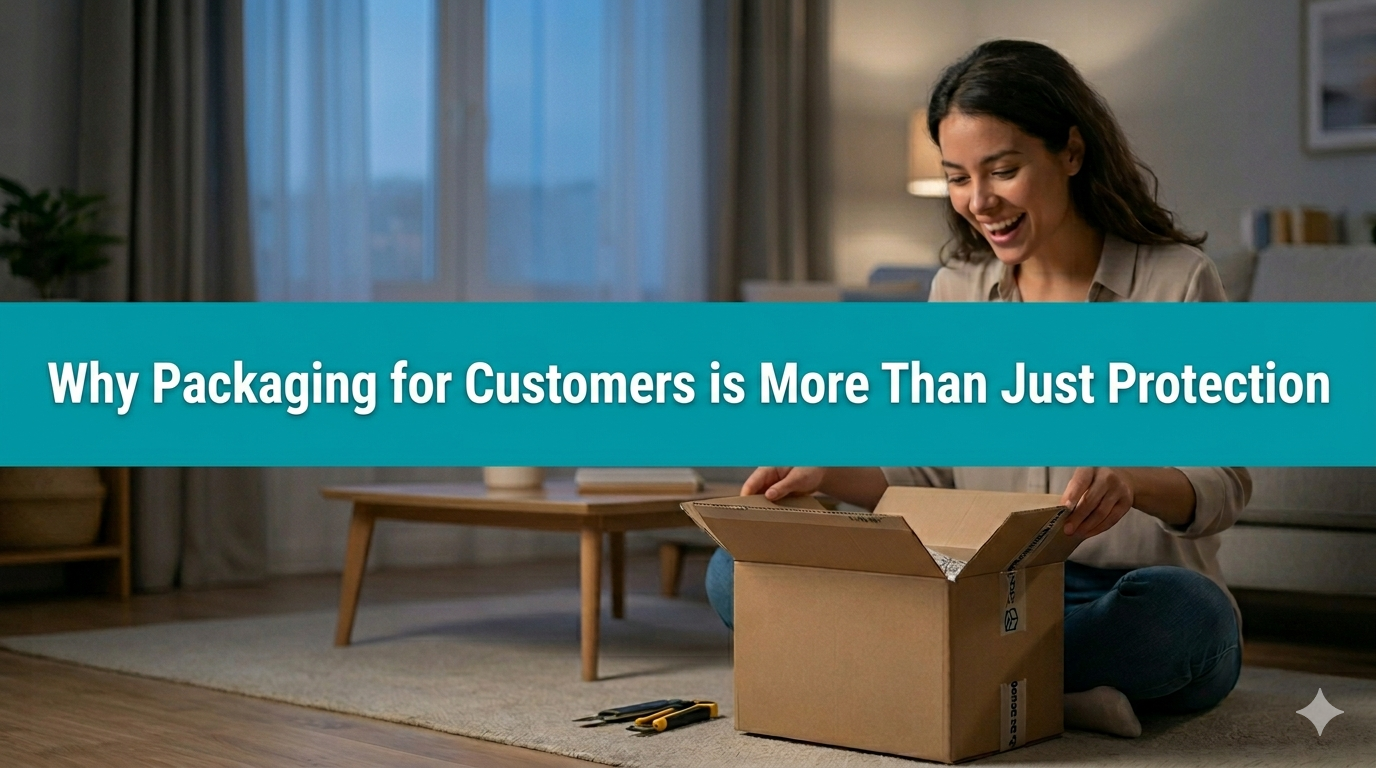
When a product reaches a customer, the packaging is the first physical interaction they have with the brand. This moment goes beyond protection and enters the realm of experience. The ease of opening, the durability of the material, and the overall functionality contribute to how customers perceive the brand.
Effective packaging for customers ensures that products arrive in perfect condition while also being convenient to handle. For instance, packaging that is easy to open without damaging the contents immediately creates a positive impression. On the other hand, overly complicated or fragile packaging can lead to frustration, even if the product inside is of high quality.
This is where the psychology of packaging becomes relevant. Customers associate the quality of packaging with the reliability of the brand. Secure, well-thought-out packaging signals professionalism and care, while poor packaging can create doubt about the product itself.
The Role of Trust and Reliability in Packaging
Trust is a critical factor in customer relationships, and packaging plays a subtle yet powerful role in building it. When customers receive products that are well-protected, sealed properly, and delivered without damage, it reinforces confidence in the brand.
Understanding how packaging attracts customers is not limited to visual appeal. Reliability is a major driver. Customers are more likely to return to brands that consistently deliver products safely and efficiently. Packaging that prevents tampering, leakage, or breakage communicates a sense of security and dependability.
Moreover, in industries such as pharmaceuticals, e-commerce, and food delivery, packaging must meet specific functional and safety requirements. In such cases, designing a package for a product involves prioritising durability, hygiene, and compliance over decorative elements. Customers value packaging that performs its role effectively without compromise.
Functionality Over Aesthetics – What Customers Really Value
While design and branding are important, functionality often has a more lasting impact on customer satisfaction. Practical features such as resealability, lightweight materials, and ease of storage significantly enhance usability.
When businesses focus on packaging for customers, they must consider real-world usage scenarios. Can the packaging be reused? Is it easy to carry? Does it protect the product from environmental factors such as moisture or dust?
These aspects directly influence how customers interact with the product after purchase. Packaging that simplifies handling and storage adds value beyond the product itself. This is a key reason why companies are shifting their focus from purely aesthetic considerations to functional design.
The psychology of packaging also suggests that customers appreciate convenience. Packaging that reduces effort and improves usability creates a positive emotional response, which can lead to stronger brand loyalty.
Packaging as a Driver of Operational Efficiency
Another important dimension of packaging is its impact on logistics and operations, which indirectly affects the customer experience. Efficient packaging ensures faster handling, reduced damage rates, and smoother delivery processes.
Businesses that understand how packaging attracts customers recognise that timely and intact delivery is a major factor. Packaging that is optimised for transportation reduces the risk of delays and returns. This not only improves customer satisfaction but also lowers operational costs.
Midway through the customer journey, packaging continues to play a crucial role. Dhwani Polyprints help businesses create packaging solutions that align with both operational efficiency and customer expectations. By focusing on durability, consistency, and practicality, packaging becomes a bridge between backend logistics and frontend customer experience.
The Emotional and Psychological Impact of Packaging
Beyond functionality, packaging also has an emotional dimension. The psychology of packaging reveals that customers form impressions quickly based on their interaction with packaging. Even subtle elements such as the feel of the material or the sound of opening a package can influence perception.
However, this does not necessarily mean focusing heavily on aesthetics. Instead, it is about creating a sense of assurance and ease. Packaging that feels sturdy and reliable reassures customers that their purchase is protected and valued.
When designing a package for a product, businesses should consider how the packaging makes customers feel during use. Does it create confidence? Does it reduce inconvenience? These emotional responses play a significant role in shaping overall satisfaction.
Packaging and Customer Retention
Customer retention is often influenced by consistent experiences, and packaging is a key part of that consistency. When customers know they can rely on a brand to deliver products safely and efficiently, they are more likely to make repeat purchases.
Effective packaging for customers ensures that every interaction reinforces trust and reliability. It minimises negative experiences such as damaged goods or difficult handling, which can deter customers from returning.
Additionally, packaging can contribute to post-purchase engagement. For example, packaging that is easy to store or reuse remains in the customer’s environment for longer, subtly reinforcing brand presence.
Understanding how packaging attracts customers in the long term involves looking beyond the initial purchase. It is about creating a seamless and dependable experience that encourages repeat business.
Moving Beyond Protection
The idea that packaging is only about protection is increasingly outdated. While protection remains a fundamental function, it is just one aspect of a much broader role. Packaging today is a combination of functionality, reliability, and customer-centric thinking.
The process of designing a package for a product must take into account how the packaging will perform throughout the entire customer journey. From transit to handling to storage, every stage matters.
The psychology of packaging highlights that customers value ease, trust, and consistency. Businesses that recognise this can use packaging as a strategic advantage rather than a basic requirement.